Speaker Diarization
Speaker diarization is a powerful technology that enables the identification and segmentation of individual speakers in an audio or video recording. Often referred to as the "who spoke when" problem, speaker diarization is widely used in applications like transcription services, meeting analysis, media content indexing, and more. By analyzing audio features such as voice pitch, tone, and speech patterns, speaker diarization systems can differentiate between speakers and label their speech segments accordingly. This helps create more accurate transcriptions, improves accessibility, and provides richer insights in multi-speaker environments, such as conference calls or interviews. In this blog, we explore how speaker diarization works, the technologies behind it (such as machine learning and signal processing), its real-world applications, and its role in enhancing both manual and automated transcription processes. Whether you're looking to improve your transcription accuracy or better organize large audio datasets, understanding speaker diarization is essential for anyone working with multi-speaker audio or video content.
Sangram
12/25/20242 min read

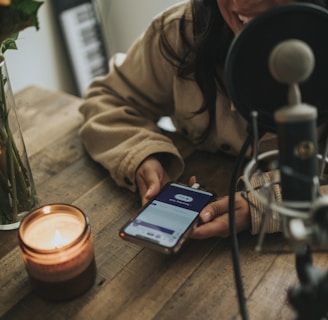
Speaker diarization is a cutting-edge technology that enables the identification and segmentation of individual speakers within an audio stream. This technique has profound applications in various real-world scenarios, particularly in subscription services like podcasts and webinars. By accurately distinguishing between multiple speakers, content creators can enhance the listening experience, making it easier for audiences to follow conversations and engage with the material. In customer support, speaker diarization can streamline interactions, allowing companies to analyze conversations for quality assurance and training purposes. Furthermore, in legal and medical fields, accurate transcription helps professionals maintain clear records of discussions. As the demand for dynamic, user-centered content grows, speaker diarization stands at the forefront, transforming the way we consume audio and video by making it more accessible and informative. Embracing this technology can lead to more immersive and personalized experiences for users across various platforms.
Speaker Diarization: Unlocking the Power of Voice Separation in Audio Analysis
Speaker diarization is a fascinating field within speech processing that involves identifying and segmenting different speakers in an audio recording. The term "diarization" comes from the concept of “who spoke when,” helping to distinguish between multiple voices in a conversation or meeting.
In practical terms, speaker diarization can be crucial in a wide range of applications, from transcribing conference calls to analyzing customer service interactions. Whether you're working with interviews, podcasts, or even courtroom recordings, this technology helps produce more accurate transcriptions by tagging speech segments with speaker labels.
Typically, speaker diarization involves three key stages:
Voice Activity Detection (VAD): This process identifies sections of the audio where speech occurs, filtering out silence and non-speech elements.
Speaker Clustering: In this stage, the system groups audio segments based on speaker characteristics, usually leveraging machine learning models or feature extraction techniques like Mel-frequency cepstral coefficients (MFCCs).
Speaker Labeling: Finally, each segment of speech is assigned a label that corresponds to the individual speaker, enabling users to follow the conversation more clearly.
Advances in deep learning and AI have significantly improved the accuracy and efficiency of speaker diarization, making it easier to automate the separation of voices even in noisy environments or multi-speaker settings. This technology is widely used in sectors such as media, law, business, and healthcare, helping organizations manage and analyze vast amounts of audio data with minimal manual intervention.
In short, speaker diarization is an essential tool for anyone looking to transform raw audio recordings into structured, actionable data.